
Robotic surgery is an advanced, minimally invasive surgical technique that allows surgeons to perform complex procedures with precision, control, and flexibility. Using a robotic system with high-definition 3D visualization and tiny instruments, surgeons can operate in difficult-to-reach areas while reducing pain, blood loss, and recovery time for patients.
Best Robotic Surgeon in Ahmedabad, India
Dr. Jenit Gandhi is one of the leading robotic surgeons in Ahmedabad, India, offering safe, precise, and personalized robotic surgical care. With extensive experience in robotic-assisted procedures, he provides innovative treatment for digestive, abdominal, and hernia conditions, ensuring faster recovery and better outcomes for patients.

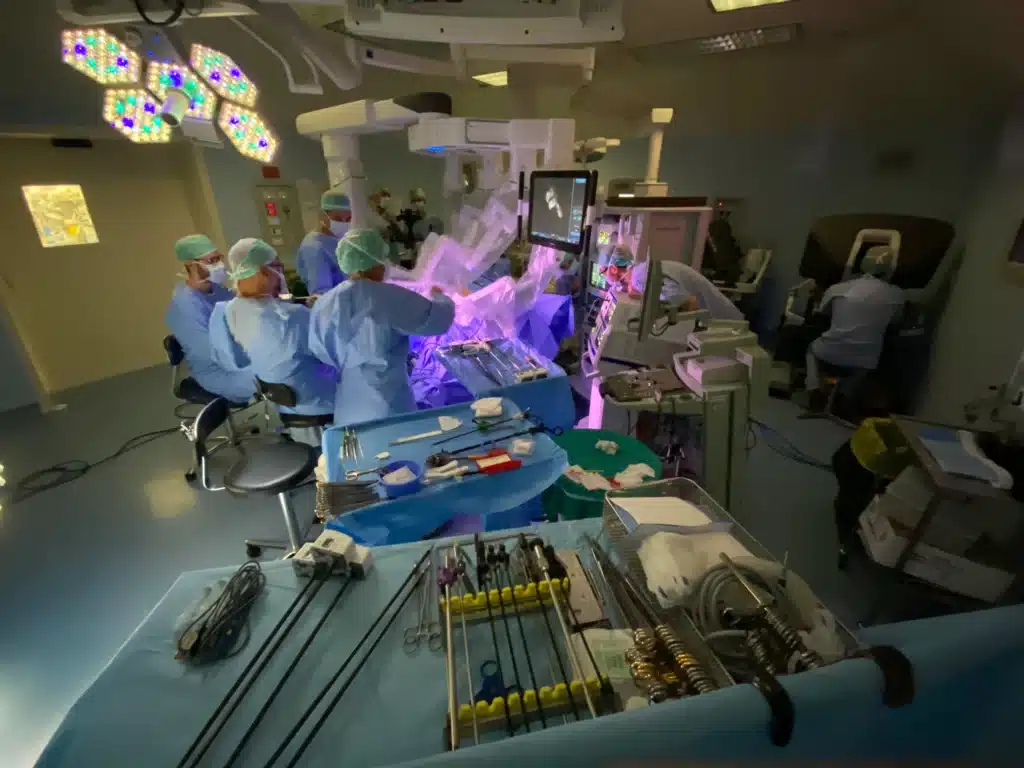
Robotic Surgery
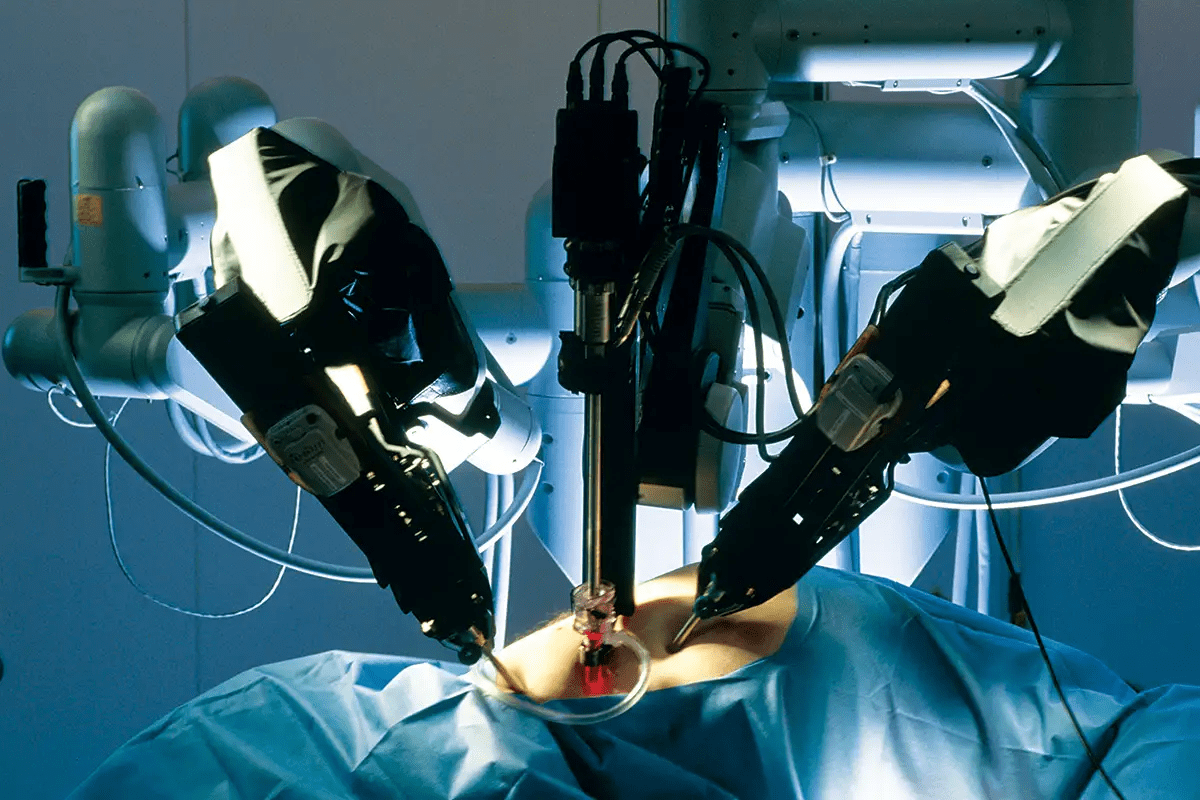
Robotic surgery allows the surgeon to perform intricate procedures through small incisions using robotic arms controlled from a console. The system translates the surgeon’s hand movements into precise motions inside the body, offering improved visualization, dexterity, and control. Robotic surgery is commonly used for hernias, digestive cancers, reflux disorders, and complex abdominal procedures.
Types of Robotic Surgeries
These advanced surgeries are performed using minimally invasive robotic techniques, providing safer outcomes and quicker recovery.
Robotic Hernia Surgery
Robotic hernia repair is ideal for recurrent, complex, or large hernias. The robotic system allows precise closure of the hernia defect while minimizing trauma to surrounding tissue.
Advantages:
- Minimally invasive
- Quicker recovery
- Reduced recurrence risk
Robotic Colon Cancer Surgery
Robotic colon surgery allows for precise removal of cancerous portions of the colon along with lymph node dissection, ensuring better functional outcomes.
Advantages:
- Enhanced surgical accuracy
- Minimally invasive
- Faster recovery and reduced complications
Robotic Gastric Cancer Surgery
Robotic gastric cancer surgery provides precise tumor removal, lymph node dissection, and reconstruction, even in hard-to-reach areas of the stomach.
Advantages:
- Precise tumor excision
- Minimally invasive
- Faster recovery and improved quality of life
Robotic Fundoplication Surgery
Robotic fundoplication is performed to treat gastroesophageal reflux disease (GERD) and hiatal hernias. The robot allows accurate wrapping of the stomach around the esophagus, reducing reflux symptoms.
Advantages:
- Reduced postoperative discomfort
- Shorter hospital stay
- Excellent long-term results
Robotic Pancreatic Surgery
Robotic pancreatic surgery enables safe removal of pancreatic tumors or cysts while minimizing trauma to surrounding structures.
Advantages:
- High precision in complex anatomy
- Minimally invasive
- Faster postoperative recovery
Pre-Surgical Preparation
Robotic surgery is suitable for most patients requiring minimally invasive procedures. Suitability depends on:
- Type and stage of disease
- Previous abdominal surgeries
- Overall health and fitness
- Complexity of the condition
Dr. Gandhi evaluates each patient thoroughly to determine the safest and most effective approach.

Recovery & Aftercare
Patients undergoing robotic surgery typically experience:
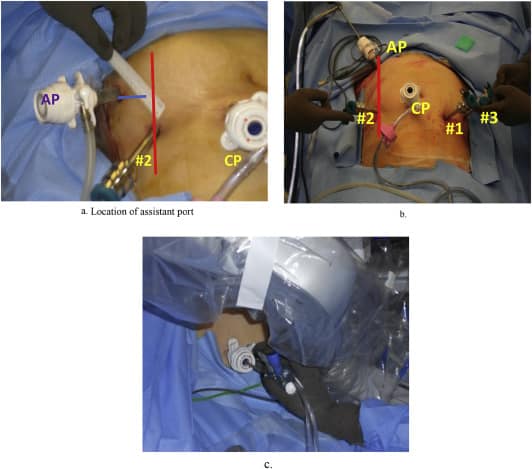
- Smaller incisions and minimal scarring
- Shorter hospital stay (often 1–5 days depending on procedure)
- Faster return to daily activities
- Follow-up visits to monitor healing
- Personalized dietary and lifestyle guidance
Long-term follow-up is recommended for cancer cases or chronic digestive conditions.
Book Your Consultation Today
If you have been advised to undergo surgery for hernia, digestive cancers, or reflux disorders, we provide expert robotic surgical care with advanced technology and personalized treatment planning.
Your Frequently Asked Questions
Insights from the Best Robotic Surgeon in Ahmedabad, India.
Yes. Robotic surgery is widely considered safe, with reduced tissue trauma, fewer complications, and faster recovery compared to open surgery.
Most patients resume light activities within 2–5 days, with full recovery in 1–3 weeks depending on the procedure.
Only small incisions (usually 5–12 mm) are made, resulting in minimal scarring.
Most patients are candidates, but suitability depends on health status, previous surgeries, and the complexity of the condition.
Robotic surgery provides high precision, smaller incisions, less pain, faster recovery, and better long-term outcomes.