

HPB Surgery

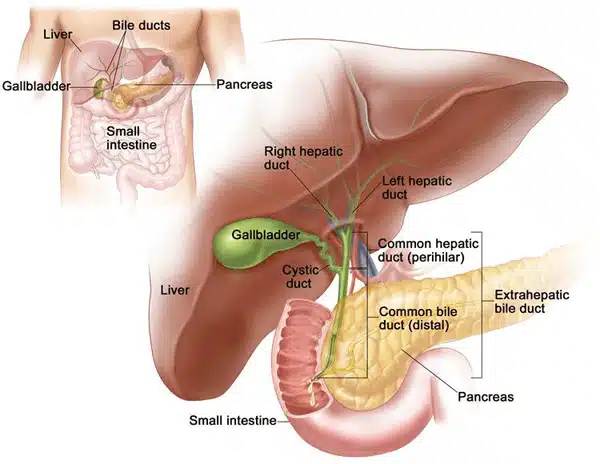
HPB (Hepato-Pancreato-Biliary) surgery focuses on the diagnosis and surgical management of complex diseases involving the liver, pancreas, gallbladder, and bile ducts. Using advanced surgical techniques and a multidisciplinary approach, HPB surgery aims to provide safe, precise, and effective treatment for both benign and malignant conditions.

Best HPB Surgeon in Ahmedabad, India

Dr. Jenit Gandhi is a highly experienced HPB surgeon in Ahmedabad, India, offering comprehensive and compassionate care for complex liver, pancreatic, and biliary diseases. HPB conditions often require advanced surgical expertise due to their complexity and proximity to vital organs. Dr. Gandhi specializes in advanced HPB surgery, including minimally invasive and open procedures, ensuring accurate tumor removal, improved safety, reduced complications, and faster recovery. Patients trust him for personalized HPB treatment plans that focus on long-term survival, symptom relief, and improved quality of life.

Dr. Jenit Gandhi - Best Surgical Gastroenterologist in Gujarat India
Understanding

HPB Surgery

HPB surgery includes procedures performed to treat diseases of the liver, pancreas, gallbladder, bile ducts, and stomach. These conditions may be:

Cancerous (malignant)
Non-cancerous (benign)
Inflammatory or congenital

Depending on the diagnosis, stage of disease, and overall health, surgery may be performed using open or minimally invasive techniques. Every treatment plan is carefully tailored to achieve the best possible result while protecting healthy organs.

Types of HPB Surgeries

These surgeries address complex diseases of the liver, pancreas, bile ducts, and stomach with precision and expertise.

Pancreatic Cancer Surgery

Performed to remove malignant tumors of the pancreas.

Includes: Whipple procedure, distal pancreatectomy, lymph node clearance.
Goal: Complete cancer removal with preservation of digestive function.

Pancreatic Cyst Surgery

Surgical management of benign or potentially malignant pancreatic cysts.

Used for: Symptomatic cysts, high-risk or growing cystic lesions.
Benefit: Prevents malignant transformation and complications.

Acute Pancreatitis Surgery

Reserved for severe or complicated cases.

Used for: Infected pancreatic necrosis, abscess, or obstruction.
Aim: Control infection and prevent life-threatening complications.

Chronic Pancreatitis Surgery

Surgical intervention for pain relief and functional improvement.

Includes: Drainage procedures or pancreatic resections.
Benefit: Improves quality of life and nutritional status.

Cholangiocarcinoma (Bile Duct Cancer) Surgery

Complex surgery to remove cancerous bile duct segments.

Includes: Bile duct resection, liver resection, and reconstruction.
Goal: Curative cancer removal with safe bile drainage.

Biliary Stricture Surgery

Correction of benign or malignant bile duct narrowing.

Used for: Obstructive jaundice, recurrent cholangitis.
Outcome: Restores normal bile flow and liver function.

Liver Cancer Surgery

Surgical removal of primary or selected secondary liver tumors.

Includes: Partial hepatectomy and segmental resections.
Goal: Preserve a healthy liver while achieving complete tumor clearance.

Choledochal Cyst Surgery

Removal of congenital bile duct cysts.

Benefit: Prevents infection, stone formation, and cancer risk.
Includes: Complete cyst excision and biliary reconstruction.

Stomach Cancer Surgery

Surgical removal of gastric tumors.

Includes: Partial or total gastrectomy with lymph node dissection.
Goal: Long-term cancer control and survival.

Gastric Surgery

Performed for benign or malignant stomach disorders.

Used for: Ulcers, tumors, obstruction, or functional disorders.

Liver Resection

Removal of diseased liver segments.

Used for: Tumors, cysts, trauma, or infections.
Advantage: Preserves maximum healthy liver tissue.

Are You a Candidate for Surgery?

Pre-Surgical Preparation

To ensure safe and successful outcomes, a detailed evaluation is performed:

  • Comprehensive clinical assessment
  • Advanced imaging (CT, MRI, MRCP, PET when required)
  • Blood tests including liver and pancreatic function
  • Nutritional and fitness assessment
  • Multidisciplinary tumor board discussion (for cancer cases)
  • Clear explanation of surgical options, risks, and expected outcomes
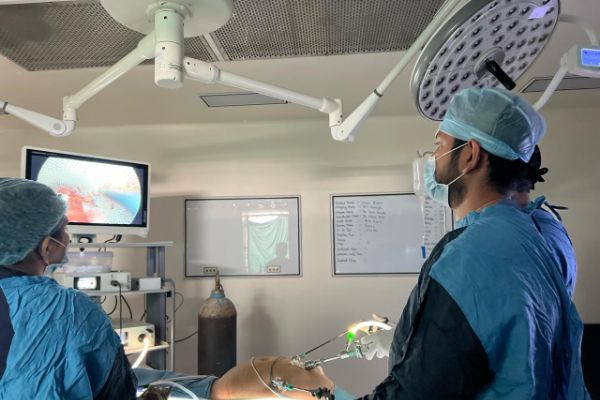
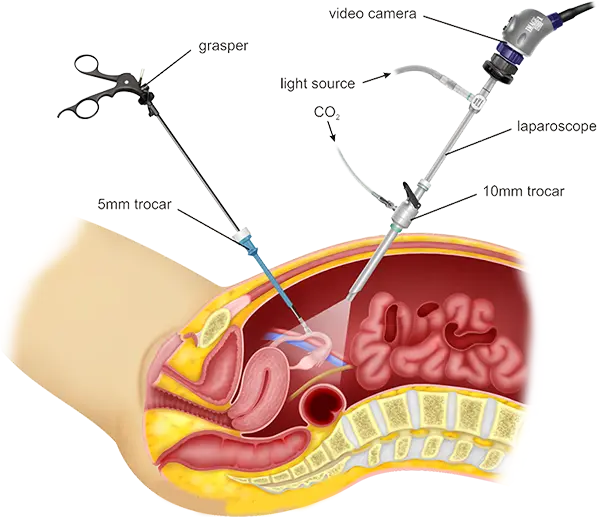
Laproscopy Diagram

Surgical Approaches in HPB Surgery

HPB surgeries involve complex procedures on the liver, pancreas, bile ducts, and surrounding organs. The choice of surgical approach depends on the disease type, stage, anatomical involvement, and the patient’s overall health. Each technique is selected to ensure the highest level of safety, precision, and long-term effectiveness.

Open HPB Surgery

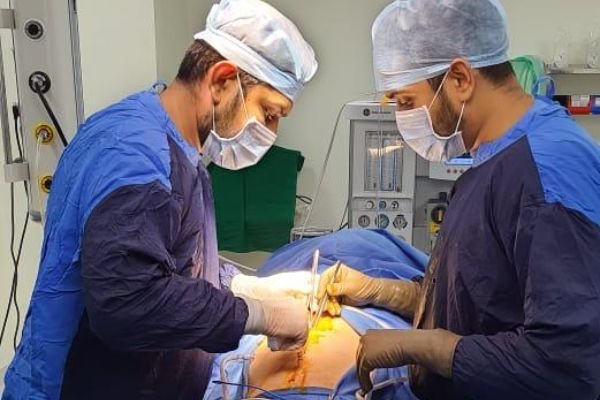
Open HPB surgery is the traditional and most widely used approach for complex conditions. It is preferred in cases where tumors are large or advanced, when major blood vessels are involved, when extensive liver or pancreatic resection is required, or when complex reconstruction of the bile ducts or intestines is needed.

Advantages:

  • Maximum surgical control
  • Ideal for advanced cancers
  • Proven long-term outcomes
Laparoscopic HPB Surgery (Minimally Invasive)

Laparoscopic HPB surgery is performed using small incisions, a camera, and specialized instruments and is commonly used for selected liver resections, pancreatic cysts, biliary strictures, and choledochal cyst surgery. This approach reduces surgical trauma while maintaining effective disease treatment in suitable patients.

Benefits:

  • Less pain
  • Faster recovery
  • Shorter hospital stay
  • Smaller scars
Robotic HPB Surgery

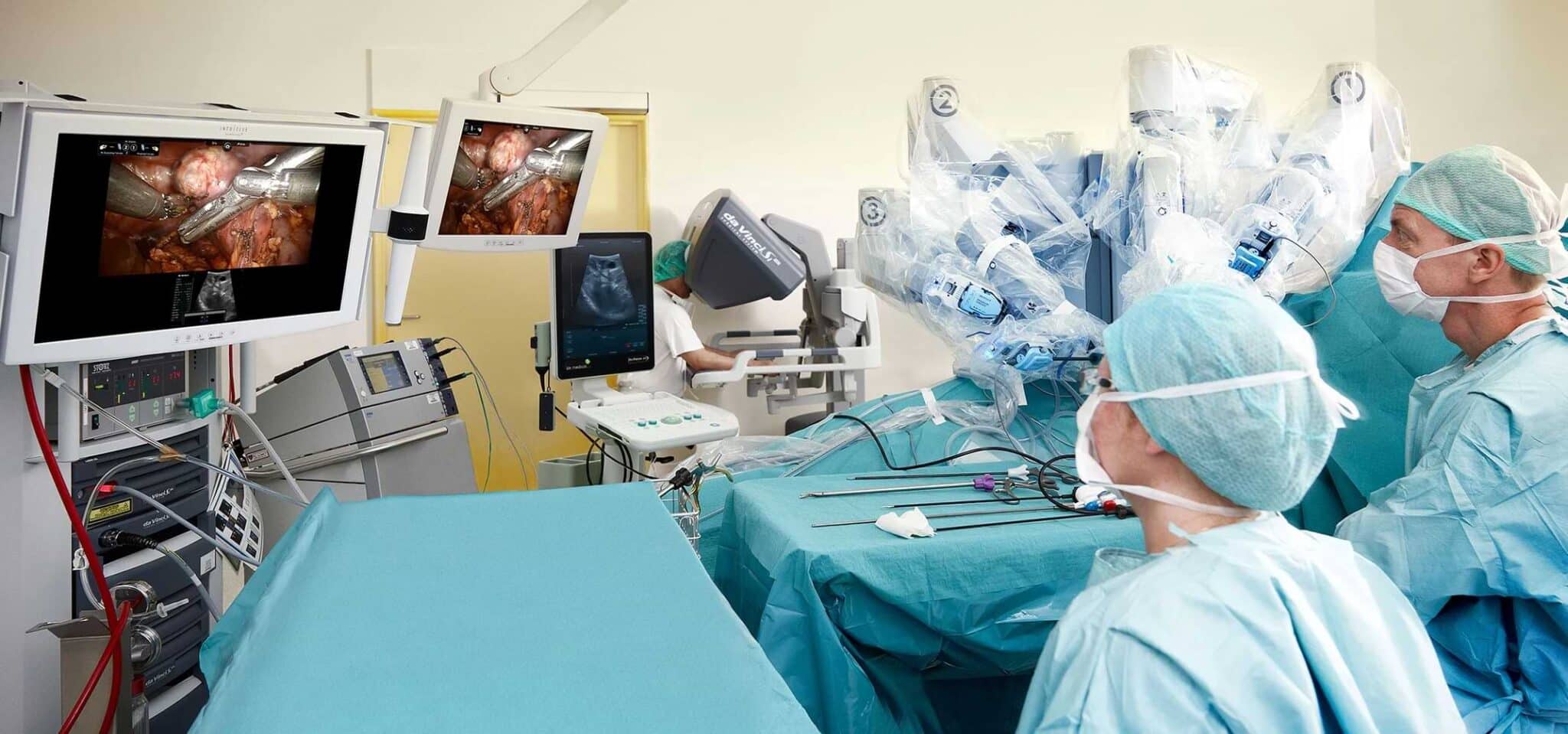
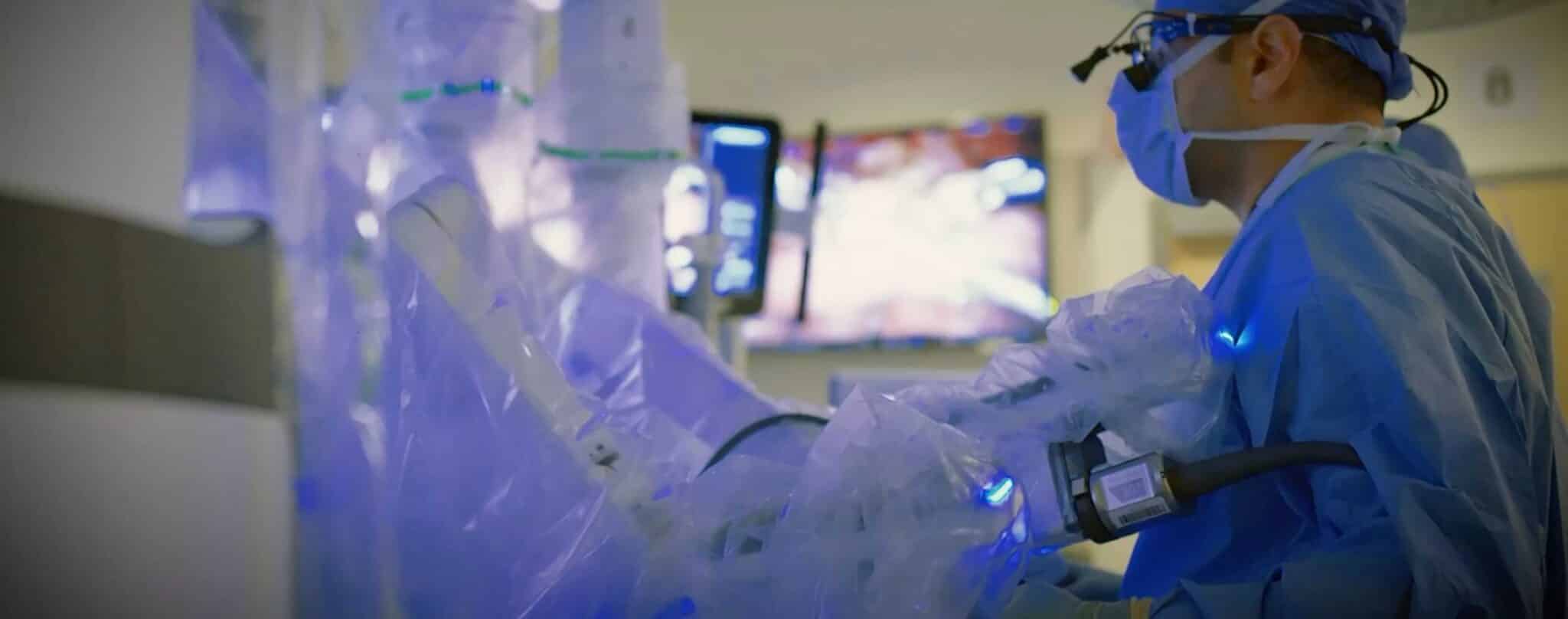
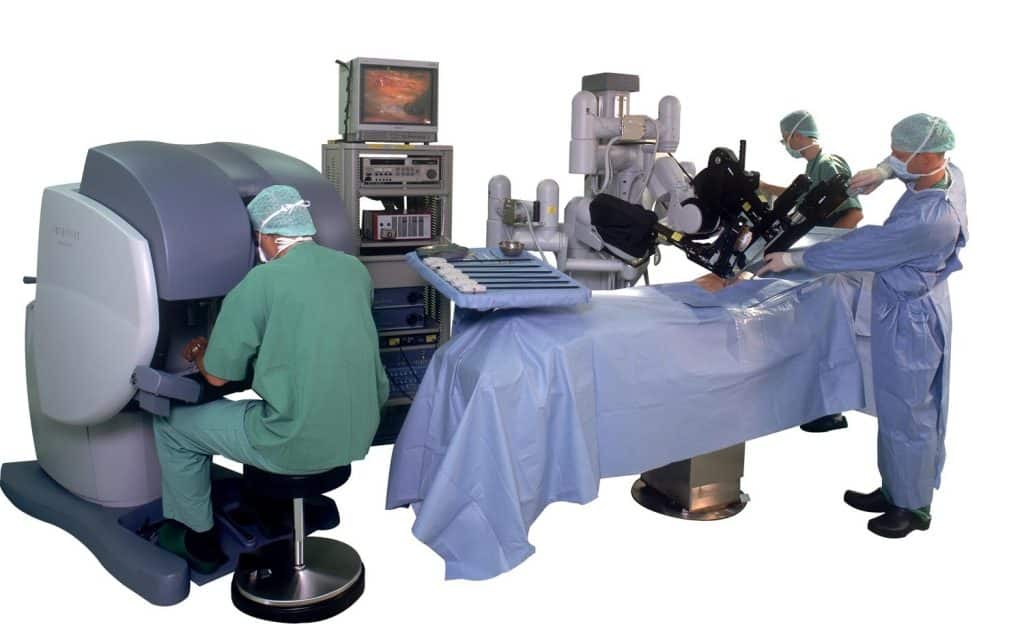
Robotic HPB surgery is an advanced minimally invasive technique used for precision bile duct surgery, pancreatic and liver tumors located in difficult areas, and complex suturing or reconstruction. It offers superior visualization and enhanced instrument control, improving surgical accuracy in selected cases.

Advantages:

  • High-definition 3D vision
  • Greater precision and flexibility
  • Better outcomes in selected cases
  • Robotic surgery is offered based on case suitability and availability
Hybrid HPB Surgery

Hybrid HPB surgery combines open and minimally invasive techniques within the same procedure and is used when one part of the operation benefits from laparoscopy while another part requires open access. This approach helps balance surgical safety with faster postoperative recovery.

Benefit:

  • Balances safety with faster recovery
Endoscopic & Image-Guided Procedures (Adjunctive Approach)

Endoscopic and image-guided procedures are supportive techniques used alongside HPB surgery for conditions such as jaundice, bile duct obstruction, and in preoperative or palliative care settings. These include ERCP, biliary stenting, and image-guided drainage procedures to improve patient comfort and surgical outcomes.

Advantages:

  • Minimally invasive support
  • Symptom relief before surgery
  • Improves overall treatment outcomes
Multidisciplinary & Staged Surgical Approach

Complex HPB diseases often require a multidisciplinary and staged approach, where surgery may be combined with chemotherapy or radiotherapy, planned second-stage liver resection, and tumor board–guided decision-making. This structured planning improves safety and increases the chances of successful long-term outcomes.

Advantages:

  • Improved safety
  • Higher chances of cure
  • Reduced complications
Dr. Jenit gandhi Preforming Laparoscopy Surgery
Your Surgery: What to Expect

Recovery & Aftercare

After HPB surgery, patients can expect:

  • Hospital stay of 5–10 days (procedure-dependent)
  • Gradual return to normal diet and activity
  • Pain management and wound care
  • Regular follow-ups for monitoring recovery
  • Long-term surveillance for cancer or chronic conditions
  • Dietary and lifestyle guidance for liver and pancreatic health
Dr. Jenit Gandhi in Surgery
Not Sure What You Need?
Book Your Consultation Today

If you are experiencing abdominal pain, jaundice, unexplained weight loss, digestive issues, or have been diagnosed with an HPB condition, expert help is available. Receive advanced surgical care, personalized treatment planning, and dedicated post-operative support

Your Frequently Asked Questions

Insights from the Best HPB Surgeon in Ahmedabad, India.

HPB surgery involves operations on the liver, pancreas, gallbladder, bile ducts, and stomach to treat cancerous and non-cancerous diseases.

HPB surgery is complex but safe when performed by an experienced specialist using advanced surgical planning and technology.

Recovery depends on the procedure but typically ranges from 3–8 weeks, with gradual return to normal activities.

Yes, when detected early, surgery offers the best chance for cure or long-term control of HPB cancers.

Some cancer patients may require chemotherapy or targeted therapy after surgery, depending on the pathology results.

Absolutely. Surgery can relieve pain, jaundice, infections, and digestive problems, significantly improving daily living.