Laparoscopic Surgery

Laparoscopic surgery—also known as minimally invasive surgery—is a modern surgical technique performed through small incisions using a high-definition camera and specialized instruments. It offers patients greater safety, reduced pain, and faster recovery, making it one of the most preferred surgical approaches today.

Best Laparoscopic Surgeon in Ahmedabad, India

Dr. Jenit Gandhi, one of the best laparoscopic surgeons in Ahmedabad, provides advanced minimally invasive solutions for a variety of abdominal and gastrointestinal conditions.
With extensive expertise in keyhole surgery, Dr. Gandhi ensures:
Precise surgical outcomes
Less postoperative pain
Minimal scars
Faster return to routine activities
Patients trust him for innovative, safe, and personalized laparoscopic treatment tailored to their medical needs.

Dr. Jenit Gandhi - Best Surgical Gastroenterologist in Gujarat India
Understanding

Laparoscopic Surgery

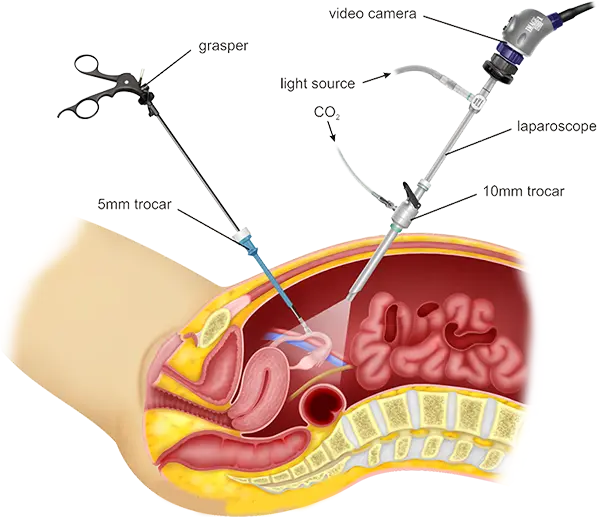
Laparoscopic surgery is performed using small incisions through which a tiny camera (laparoscope) and fine surgical tools are inserted. The surgeon views real-time internal images on a monitor, enabling highly accurate procedures with minimal tissue damage. Laparoscopy is commonly used for:

Hernias
Gallbladder disease
Appendicitis
Abdominal pain diagnosis
Spleen disorders
Esophageal motility disorders

It is safe, effective, and suitable for most patients when evaluated properly.

Types of Laparoscopic Surgeries

These minimally invasive procedures ensure faster healing, minimal discomfort, and reduced hospital stay.

Laparoscopic Hernia Surgery

Repairing inguinal, umbilical, ventral, or incisional hernias through small incisions.

Benefits: Less pain, reduced recurrence, quicker return to activity.

Used for: Bulging, discomfort, or pain caused by a hernia.

Laparoscopic Gallbladder Removal (Cholecystectomy)

A procedure to remove the gallbladder when gallstones or inflammation cause pain or complications.

Advantages: Quick recovery, minimal scarring, safer than open surgery.

Laparoscopic Appendix Removal (Appendectomy)

Used to treat acute appendicitis.

Benefits: Faster healing, fewer wound infections, early discharge.

Diagnostic Laparoscopy

A minimally invasive method used to diagnose unexplained abdominal pain, infertility, tumors, or internal injuries.

Use: Direct visualization of abdominal organs for accurate diagnosis.

Laparoscopic Heller’s Myotomy

A surgical treatment for achalasia, a disorder that prevents food from passing into the stomach.

Goal: Relieve swallowing difficulties by cutting tight esophageal muscles.

Benefit: Long-lasting relief with minimal postoperative discomfort.

Laparoscopic Gallbladder Removal (Cholecystectomy)

A procedure to remove the gallbladder when gallstones or inflammation cause pain or complications.

Advantages: Quick recovery, minimal scarring, safer than open surgery.

Laparoscopic Splenectomy

Removal of the spleen for conditions like splenic cysts, trauma, ITP, or enlarged spleen.

Advantages: Shorter hospital stay, reduced bleeding, faster recovery.

Are You a Candidate for Surgery?

Pre-Surgical Assessment

Most patients qualify for laparoscopic procedures, but proper evaluation is essential.

  • Detailed medical and surgical history
  • Blood tests and imaging (USG/CT scan)
  • Assessment of overall fitness for anesthesia
  • Disease-specific evaluation
  • Preoperative instructions and medication review
Laproscopic Hernia Surgery
Laproscopy Diagram

Surgical Approaches in Laparoscopic Surgery

Required preparations before surgery

Open Colorectal Surgery

A traditional approach involves a larger incision to access the colon or rectum.

Used when:

  • Tumors are large
  • Previous surgeries have created adhesions
  • Emergency surgery is needed
Laparoscopic Colorectal Surgery

A minimally invasive method using small incisions, a camera, and specialized instruments.

Benefits:

  • Less pain
  • Faster recovery
  • Shorter hospital stay
  • Minimal scarring
Doctor
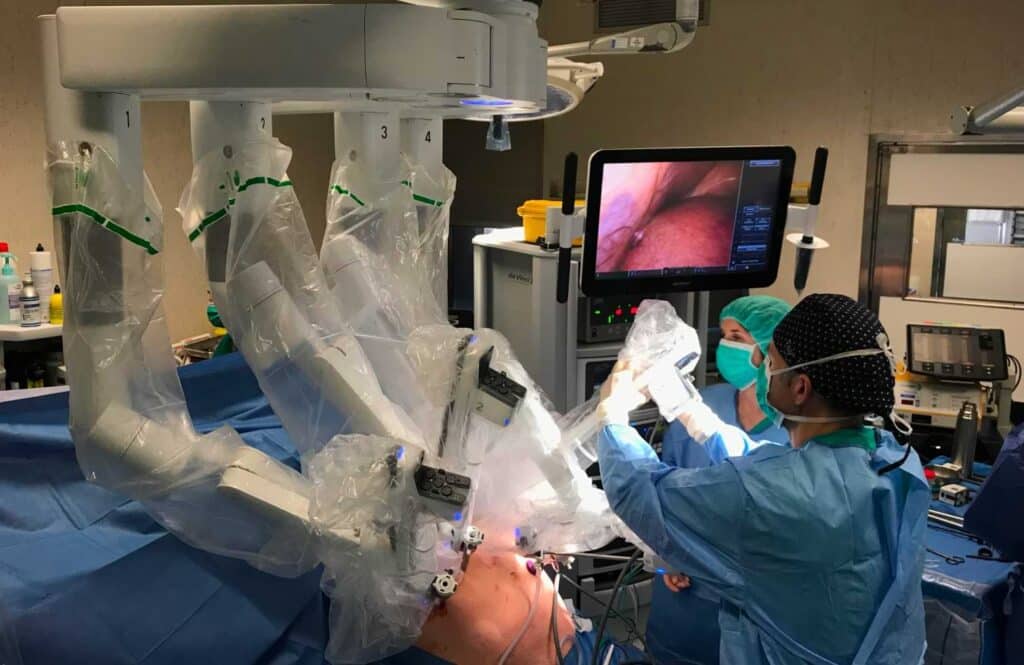
Robotic-Assisted Colorectal Surgery

The most advanced surgical approach offering enhanced precision and control.

Benefits:

  • High-definition 3D visualization
  • Greater accuracy around delicate structures
  • Reduced complication rates
  • Better postoperative comfort
Your Surgery: What to Expect

Recovery & Aftercare

After laparoscopic surgery, patients often experience:

  • Hospital stay of 1–3 days (depends on procedure)
  • Early mobility and faster healing
  • Gradual return to normal diet
  • Follow-up visits to ensure proper healing
  • Personalized lifestyle and dietary guidance

Most patients return to normal activities within 7–15 days.

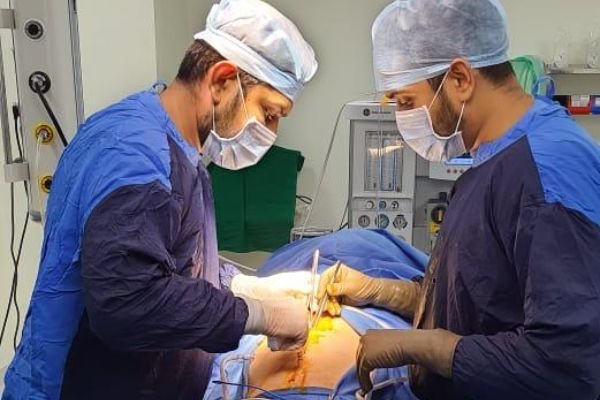
Dr. Jenit Gandhi in Surgery
Not Sure What You Need?
Book Your Consultation Today

If you are experiencing abdominal pain, digestive issues, or have been advised to consider minimally invasive surgery, Dr. Jenit Gandhi is here to help. Get expert care with advanced laparoscopic techniques, tailored treatment plans, and dedicated postoperative support.

Your Frequently Asked Questions

Insights from the best Colorectal surgeon in Ahmedabad, India

Yes. Laparoscopic surgery is considered very safe and is widely used because it causes less tissue damage, leads to fewer complications, and offers faster recovery compared to open surgery.

Most patients recover within 7–15 days, depending on the type of surgery. Many can walk within hours and resume light activities in 2–3 days.

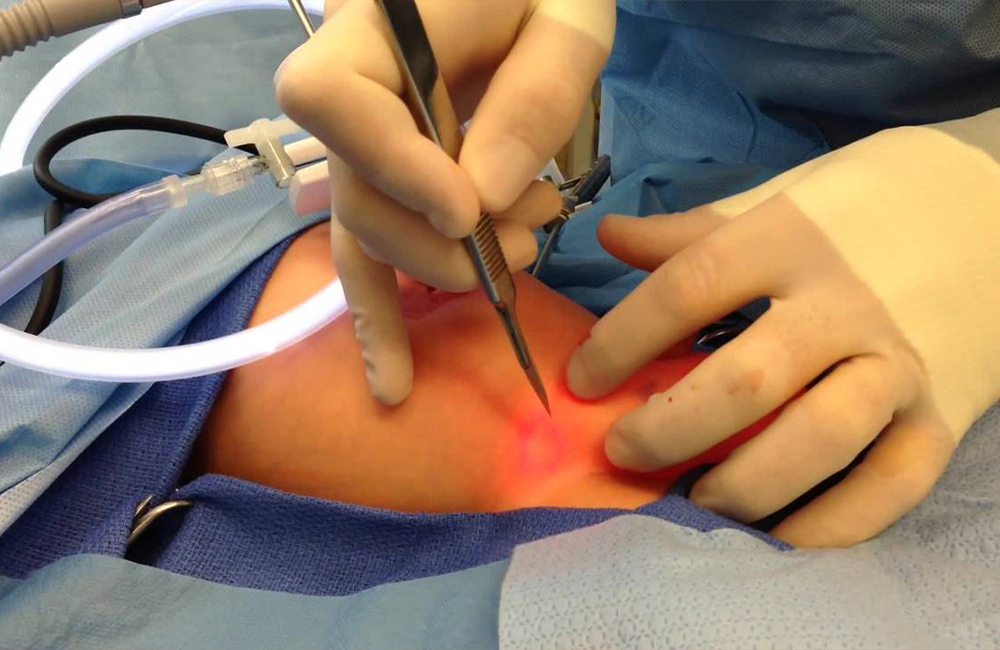
Only very small incisions (5–10 mm) are made, so scarring is minimal and often barely noticeable over time.

Most people are good candidates, but the suitability depends on factors like medical history, previous abdominal surgeries, infection level, or complexity of the condition. Your surgeon will evaluate and advise the safest approach.

Patients should avoid heavy lifting, strenuous exercise, and intense abdominal pressure for a few weeks. Normal walking and routine activities can usually be resumed early under medical guidance.