Colorectal Surgery

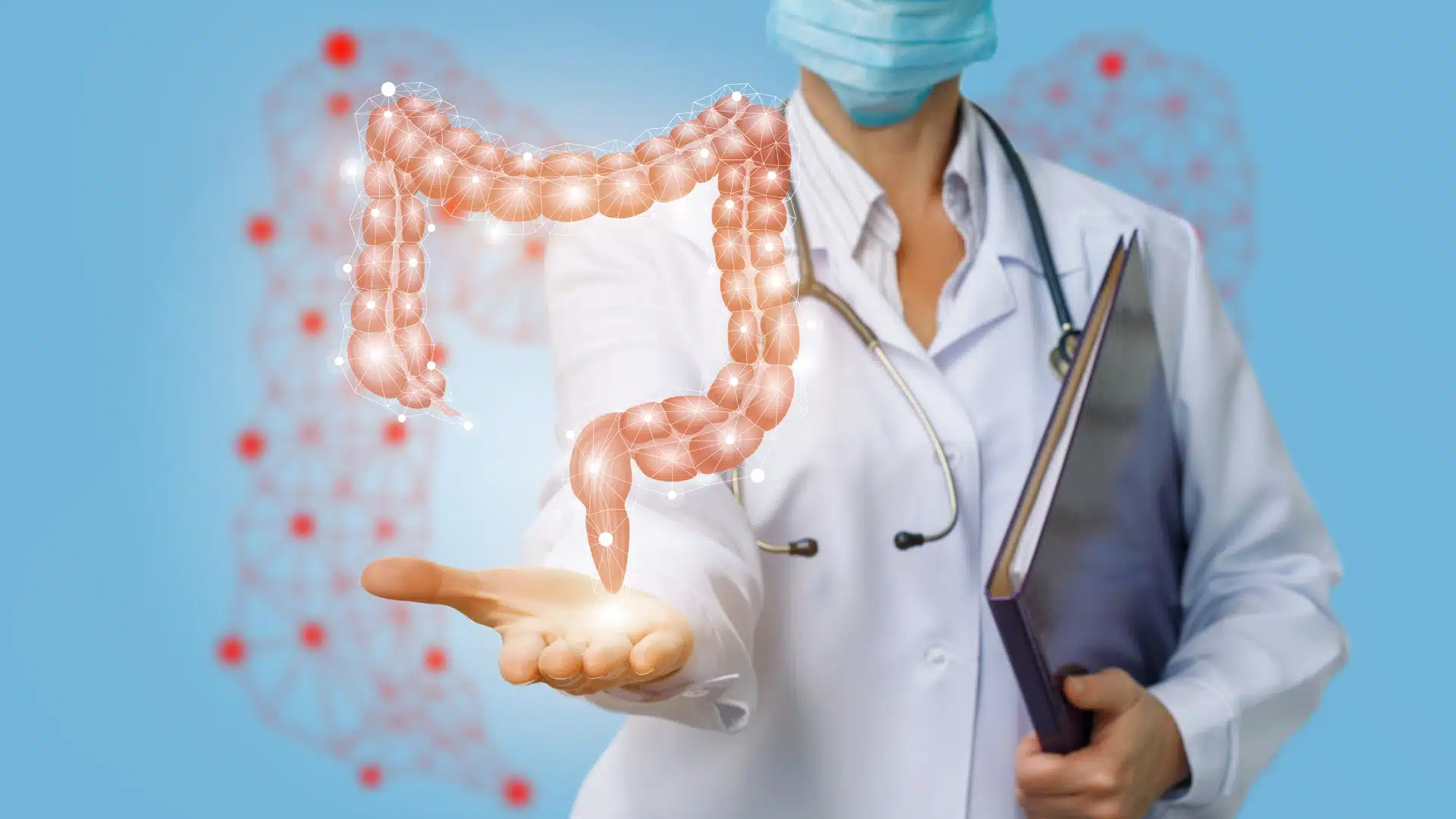
Colorectal surgery focuses on diagnosing and treating conditions affecting the colon, rectum, and anus. With advanced surgical techniques and personalized treatment planning, patients can expect safe, precise, and effective outcomes.

Best Colorectal Surgeon in Ahmedabad, India

Dr. Jenit Gandhi, one of the best colorectal surgeons in Ahmedabad, India, provides innovative, accurate, and compassionate therapy for a variety of colorectal diseases. Colorectal problems, which include difficulties with the colon, rectum, and anus, can cause severe discomfort, pain, and disturbances in everyday living.
Dr. Gandhi specializes in colorectal surgery in Ahmedabad, employing advanced laparoscopic and minimally invasive techniques to offer higher safety, less pain, and faster recovery. Patients trust him for personalized colorectal treatment that yields long-term outcomes and improves quality of life.

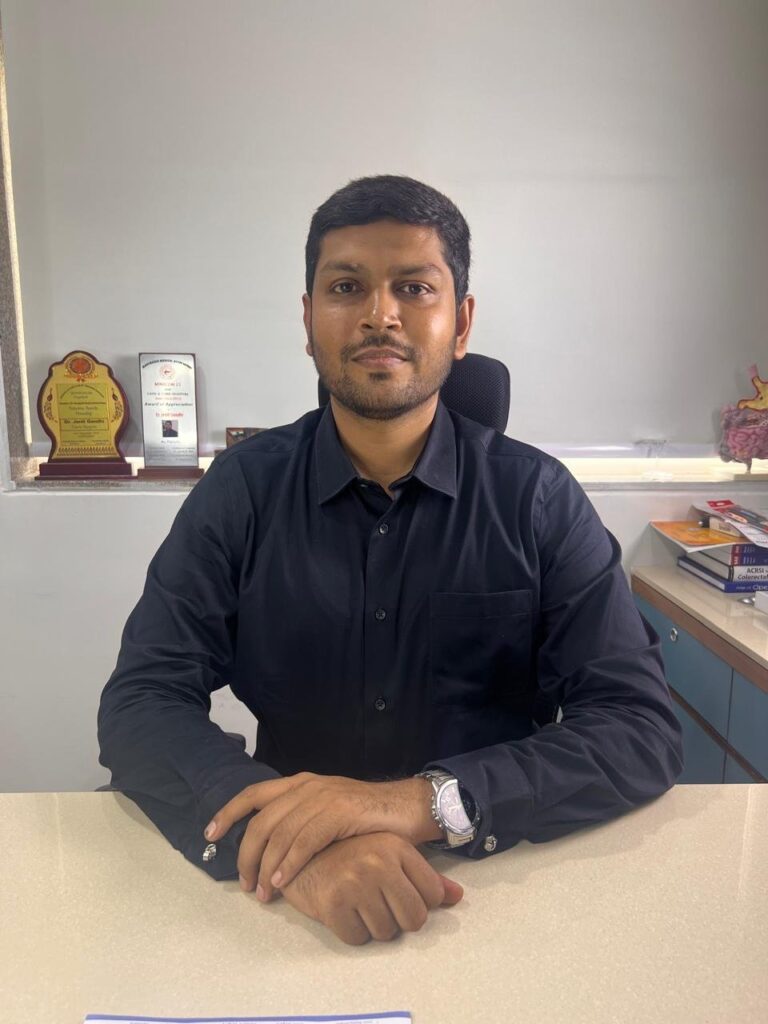
Dr. Jenit Gandhi - Best Surgical Gastroenterologist in Gujarat India
Understanding

Colorectal Surgery

Colorectal surgery includes a range of procedures performed to treat disorders such as colon cancer, rectal cancer, inflammatory bowel disease (IBD), diverticulitis, hemorrhoids, polyps, and other benign or malignant conditions. These surgeries are performed using open, laparoscopic, or robotic techniques depending on the condition, overall health of the patient, and surgeon expertise.

Types of Colorectal Surgeries

These surgeries treat diseases of the colon, rectum, and anus using advanced minimally invasive techniques for safer outcomes and quicker recovery.

Colon Cancer Surgery

A comprehensive category covering various procedures (including hemicolectomies) to remove cancerous portions of the colon.

Includes: Tumor removal, lymph node dissection, and minimally invasive techniques for better outcomes.

Right Hemi-Colectomy

A surgical procedure performed to remove the right portion of the colon.

Used for: Right-sided colon cancer, Crohn’s disease, large polyps, or obstruction.
Benefits: Minimally invasive options, faster recovery, and effective removal of diseased tissue.

Left Hemi-Colectomy

This procedure removes the left segment of the colon.

Used for: Left-sided colon cancer, recurrent diverticulitis, or large benign growths.

Goal: Restores healthy bowel function while removing affected segments safely.

Anterior Resection

A surgery used to remove diseased sections of the upper or mid-rectum while preserving the anal sphincter.

Used for: Rectal cancer and complex rectal disease.

Advantage: Helps maintain normal bowel control with minimally invasive techniques.

Abdominoperineal Resection (APR)

In this procedure, both the anus and rectum are removed, usually for very low rectal cancers.

Used for: Advanced low rectal tumors where sphincter preservation isn’t possible.

Includes: Creating a permanent colostomy with thorough cancer clearance.

Total Proctocolectomy

Removal of the entire colon and rectum.

Used for: Severe ulcerative colitis, familial adenomatous polyposis (FAP), uncontrolled IBD, or widespread colorectal disease.

Options: Can be combined with ileostomy or ileal pouch formation based on patient suitability.

Rectopexy

A procedure to correct rectal prolapse by lifting and securing the rectum into its correct anatomical position.

Used for: Full-thickness rectal prolapse causing discomfort, bleeding, or incontinence.

Benefit: Laparoscopic techniques provide quicker healing and fewer complications.

Are You a Candidate for Surgery?

Pre-Surgical Preparation

To ensure a smooth and safe procedure, we follow a comprehensive preparation plan:

  • Detailed clinical evaluation
  • Colonoscopy and imaging for diagnosis and staging
  • Nutritional and fitness assessment
  • Bowel preparation based on procedure type
  • Preoperative medications and antibiotic prophylaxis
  • A clear discussion about surgical options and expected outcomes
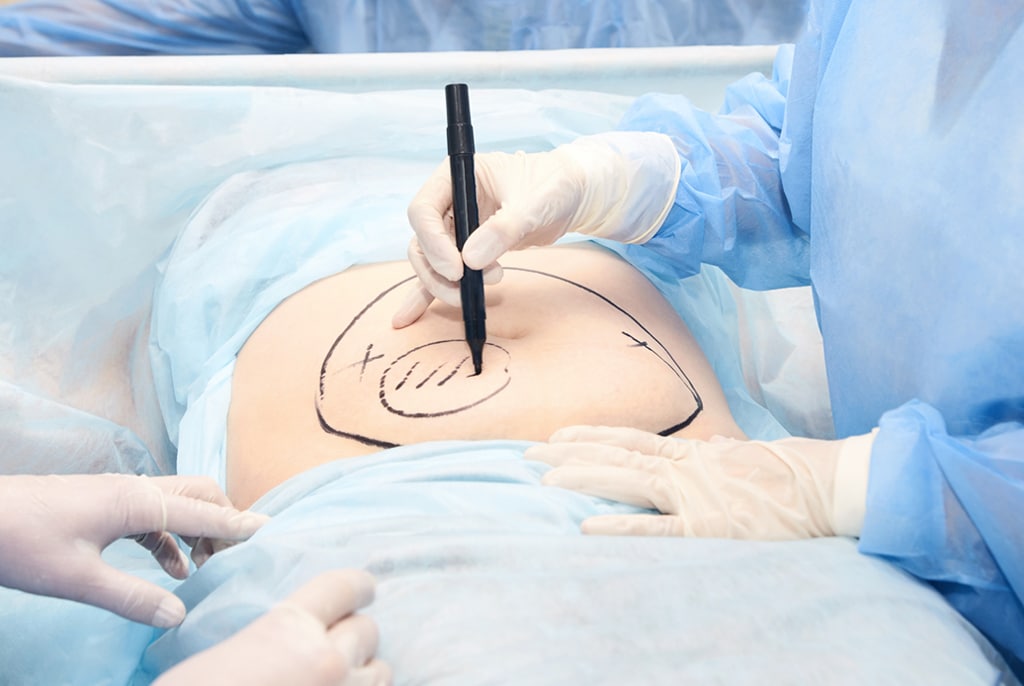
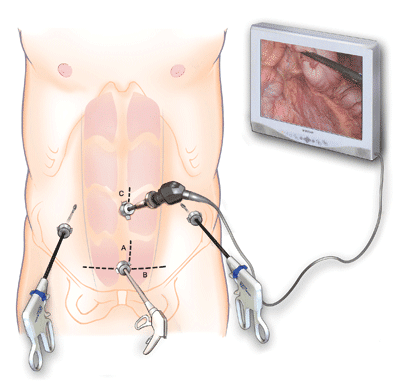
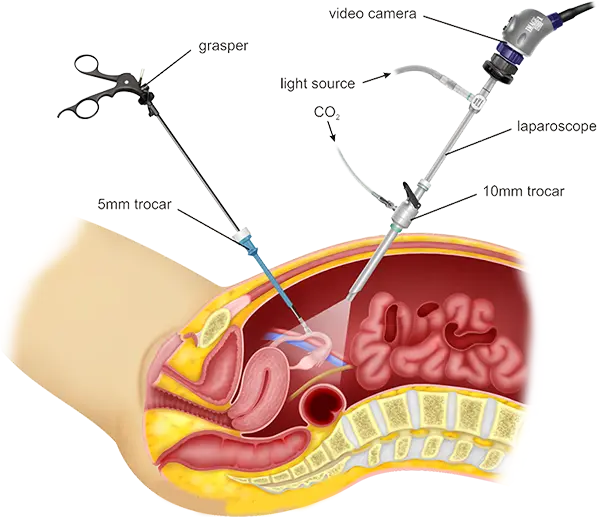
Laproscopy Diagram

Surgical Approaches in Colorectal Surgery

Required preparations before surgery

Open Colorectal Surgery

A traditional approach involves a larger incision to access the colon or rectum.

Used when:

  • Tumors are large
  • Previous surgeries have created adhesions
  • Emergency surgery is needed
Laparoscopic Colorectal Surgery

A minimally invasive method using small incisions, a camera, and specialized instruments.

Benefits:

  • Less pain
  • Faster recovery
  • Shorter hospital stay
  • Minimal scarring
Doctor
Robotic-Assisted Colorectal Surgery

The most advanced surgical approach offering enhanced precision and control.

Benefits:

  • High-definition 3D visualization
  • Greater accuracy around delicate structures
  • Reduced complication rates
  • Better postoperative comfort
Your Surgery: What to Expect

Recovery & Aftercare

Following colorectal surgery, patients typically experience:

  • A hospital stay ranging from 2–7 days (depending on procedure)
  • Gradual return to normal bowel habits
  • Follow-up visits to monitor healing
  • Personalized diet and lifestyle guidance

Long-term surveillance may be required for cancer patients or those with chronic inflammatory conditions.

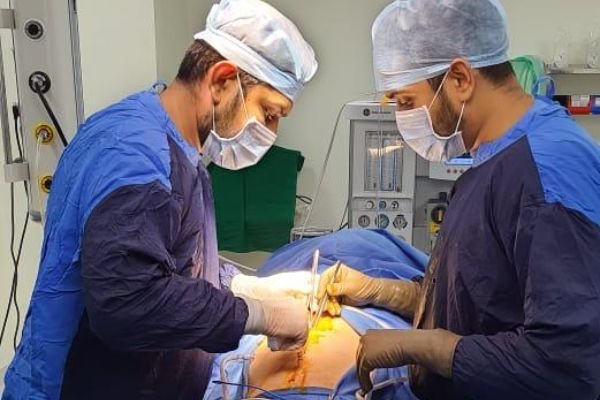
Dr. Jenit Gandhi in Surgery
Not Sure What You Need?
Book Your Consultation Today

If you’re experiencing persistent digestive symptoms or have been advised to see a colorectal specialist, we are here to help. Get expert care with advanced surgical techniques, personalized treatment plans, and dedicated postoperative support.

Your Frequently Asked Questions

Insights from the best Colorectal surgeon in Ahmedabad, India

Surgery is recommended when conditions cannot be managed with medications or when there is obstruction, severe inflammation, or cancer.

Most patients qualify, but suitability depends on the diagnosis, prior surgeries, and overall health.

Bleeding, infection, leakage at the join (anastomosis), and temporary bowel changes are possible, though rare with experienced surgeons.

Most patients return to normal activity within 2–4 weeks after minimally invasive surgery, and 4–6 weeks after open surgery.