
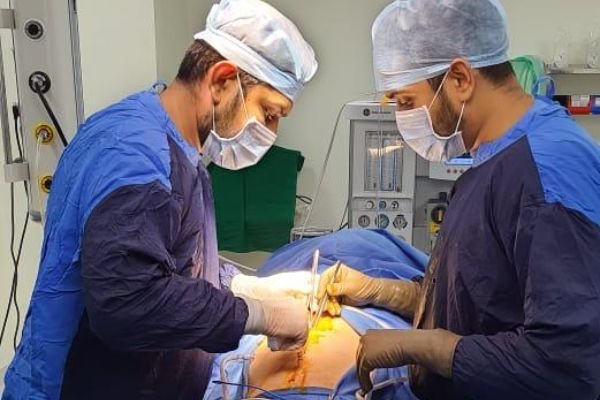
Colon Cancer Surgery

Our main goal is to ensure your health and well-being. Experience precision, advanced care, and compassionate treatment with Gujarat's leading surgeon and gastroenterologist, Dr. Jenit Gandhi.

Best Colon Cancer Treatment in Ahmedabad, India

Dr. Jenit Gandhi is one of the leading colon cancer surgeons in Ahmedabad, India. With extensive experience in open, laparoscopic, and robotic-assisted colon surgery, he provides personalized treatment plans that focus on safe, effective tumor removal and long-term cancer control. Patients trust Dr. Gandhi for his precision, expertise, and compassionate care, which helps improve recovery times, reduce post-operative complications, and maintain quality of life.

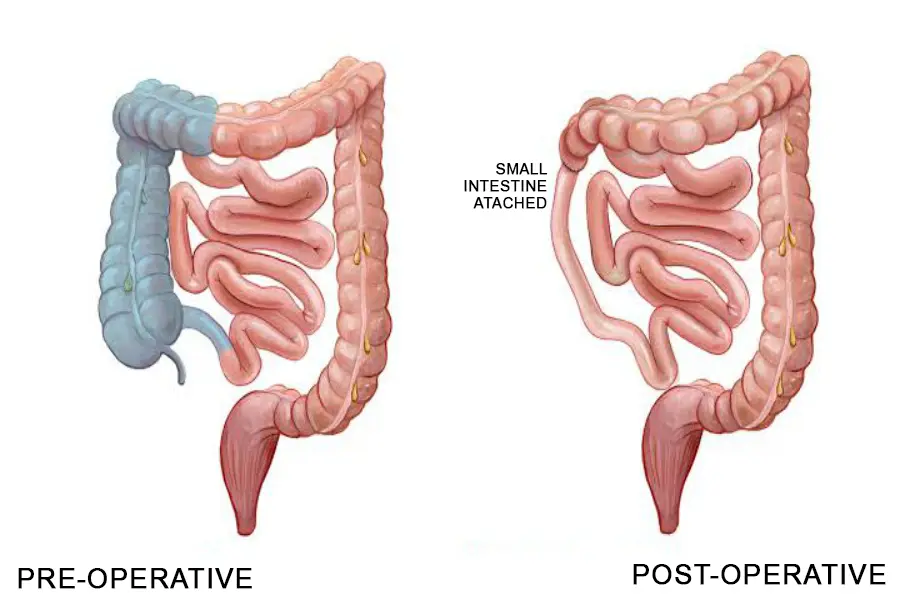
Right Hemi Colectomy
Understanding

What is Colon Cancer Surgery?

Colon cancer surgery involves removing the cancerous section of the colon along with nearby lymph nodes to prevent cancer spread. The type of surgery depends on tumor location, size, and stage, as well as the patient’s overall health.

Surgical approaches include:

  • Open Colon Surgery: Traditional approach with a larger incision
  • Laparoscopic Colon Surgery: Minimally invasive, using small incisions and a camera
  • Robotic Colon Surgery: Advanced minimally invasive method using robotic precision
Our Philosophy: Care with Precision

Surgical Preparation

Preparation Steps Before Right Hemicolectomy for Optimal Outcome:

  • Patient evaluation and staging (for cancer patients) before lap right hemicolectomy
  • Nutritional assessment for right hemicolectomy in Gujarat
  • Bowel preparation
  • Preoperative antibiotics
  • Discussion of surgical approach options with the patient, including extended right hemicolectomy
Professional Doctors
Caring Staff

Surgical Approaches

There are three main approaches for colon cancer surgery:

Open Colon Surgery

  • A large incision is made along the abdomen to access the colon.
  • The surgeon manually retracts tissues to expose the affected colon.
  • The cancerous portion of the colon and nearby lymph nodes are removed.
  • The healthy ends of the colon are reconnected (anastomosis).
  • The incision is closed with sutures or staples.
  • Maximum surgical control for complex cases
  • Effective for large or advanced tumors
  • Proven long-term outcomes

Laparoscopic Colon Surgery

  • Several small incisions (ports) are made.
  • The abdomen is inflated with carbon dioxide for space.
  • A camera and specialized instruments are used to remove the affected colon.
  • The colon ends are reconnected through a small incision.
  • Incisions are closed with sutures or adhesive strips.
  • Minimally invasive with smaller scars
  • Less postoperative pain
  • Faster recovery
  • Shorter hospital stay

Robotic Colon Surgery

  • Small incisions are made for robotic instruments and camera.
  • The surgeon controls the robotic system from a console, providing 3D vision and high precision.
  • The affected colon portion is removed, and the lymph nodes are dissected.
  • Anastomosis is performed robotically or via a small incision.
  • Incisions are closed similarly to laparoscopic surgery.
  • High precision and dexterity
  • Improved visualization for complex cases
  • Minimal scarring and faster recovery
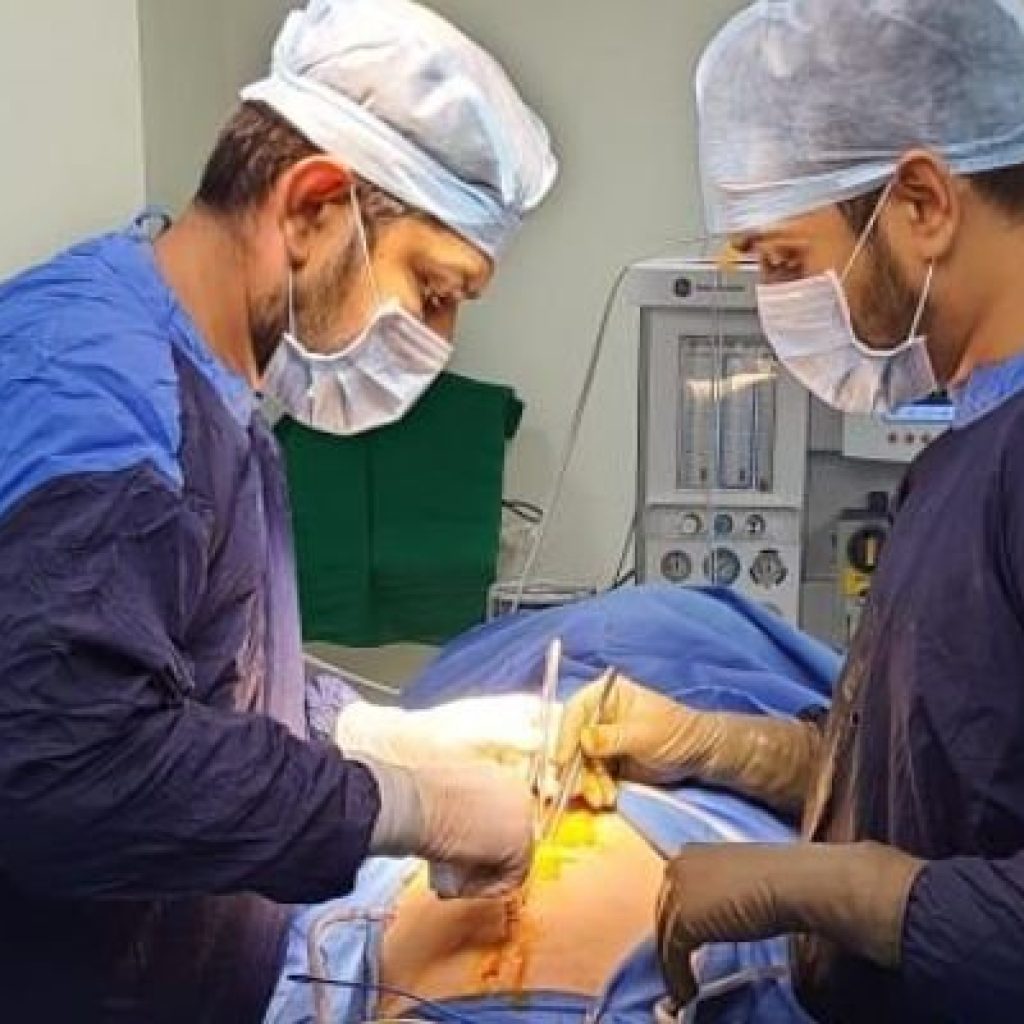
Dr. Jenit Gandhi in Surgery

We’re Here to Help You

Book Your Consultation with a Surgical Gastroenterologist Now

Need help with colon health? Call us now to consult Dr. Jenit Gandhi, offering the best colon cancer treatment in Gujarat, India with personal care, advanced technology, and a strong focus on long-term wellness and recovery.

Contact Us
Lorem Ipsum is simply dumy text of the printing typesetting industry lorem ipsum.
Your Frequently Asked Questions

Insights from the Best Surgical Gastroenterologist in Gujarat, India

Preparation includes clinical evaluation, imaging, nutritional assessments, and bowel preparation. Preoperative antibiotics may also be prescribed.

Risks include infection, bleeding, anastomotic leak, and complications related to anesthesia. These are minimized by careful planning and experienced surgical care.

Long-term surveillance with colonoscopy and imaging is recommended to monitor for recurrence and ensure ongoing health.

Surgical removal of the tumor aims for complete cancer clearance, restoration of bowel function, and improved survival rates.

Recovery depends on the surgery type. Laparoscopic and robotic surgeries often allow return to daily activities in 2–4 weeks, while open surgery may require 4–6 weeks.